Rosacea Treatments
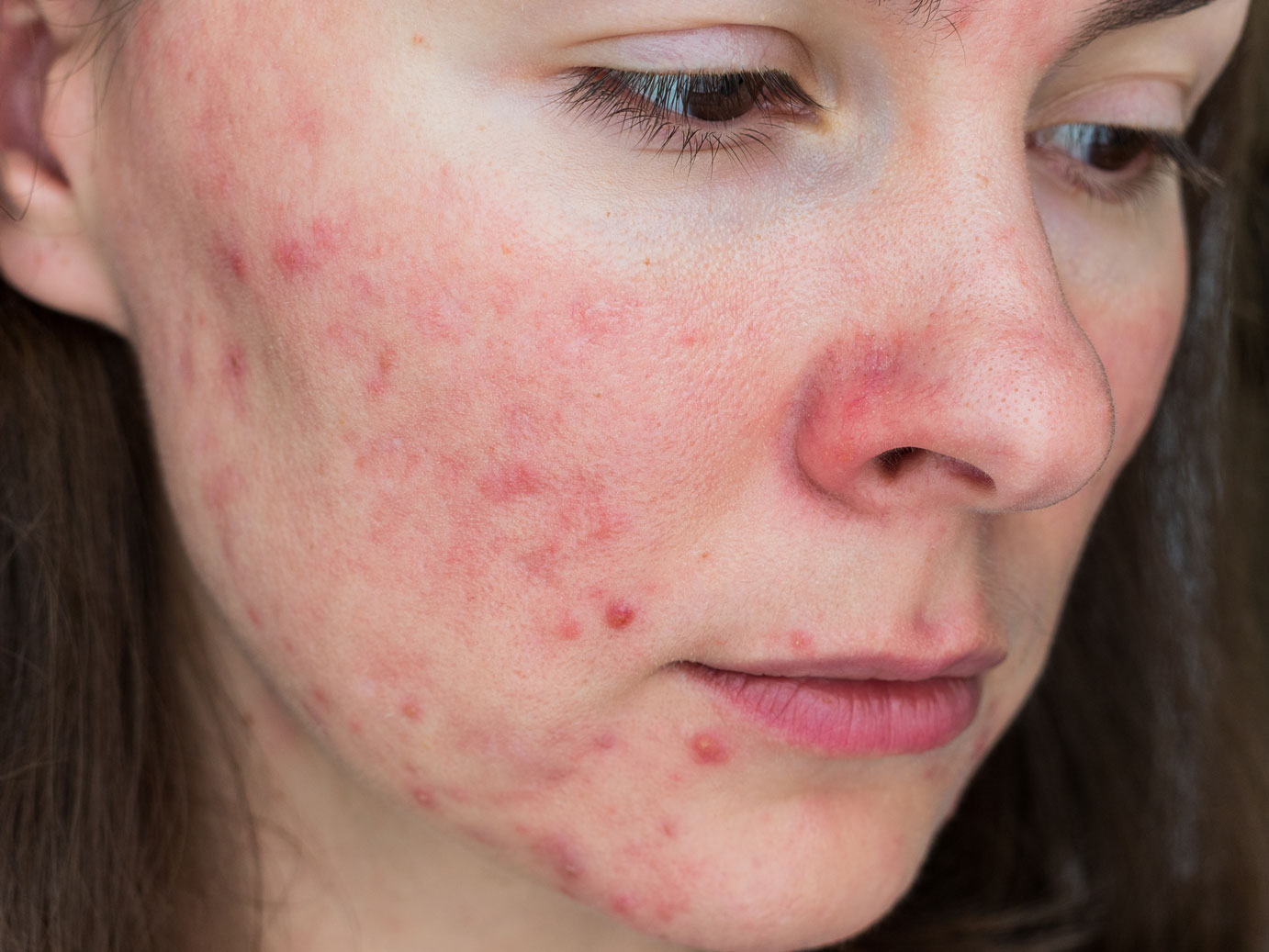
Rosacea is a chronic but treatable skin condition that commonly affects the central face, including the cheeks, nose, chin and forehead. It often presents as flushing or redness that may come and go, with symptoms typically developing after age 30. Rosacea can vary over time, with periods of flare-ups and remission.
The following page provides key information about rosacea and treatment options for this concern in clinic.

How Rosacea Affects the Skin
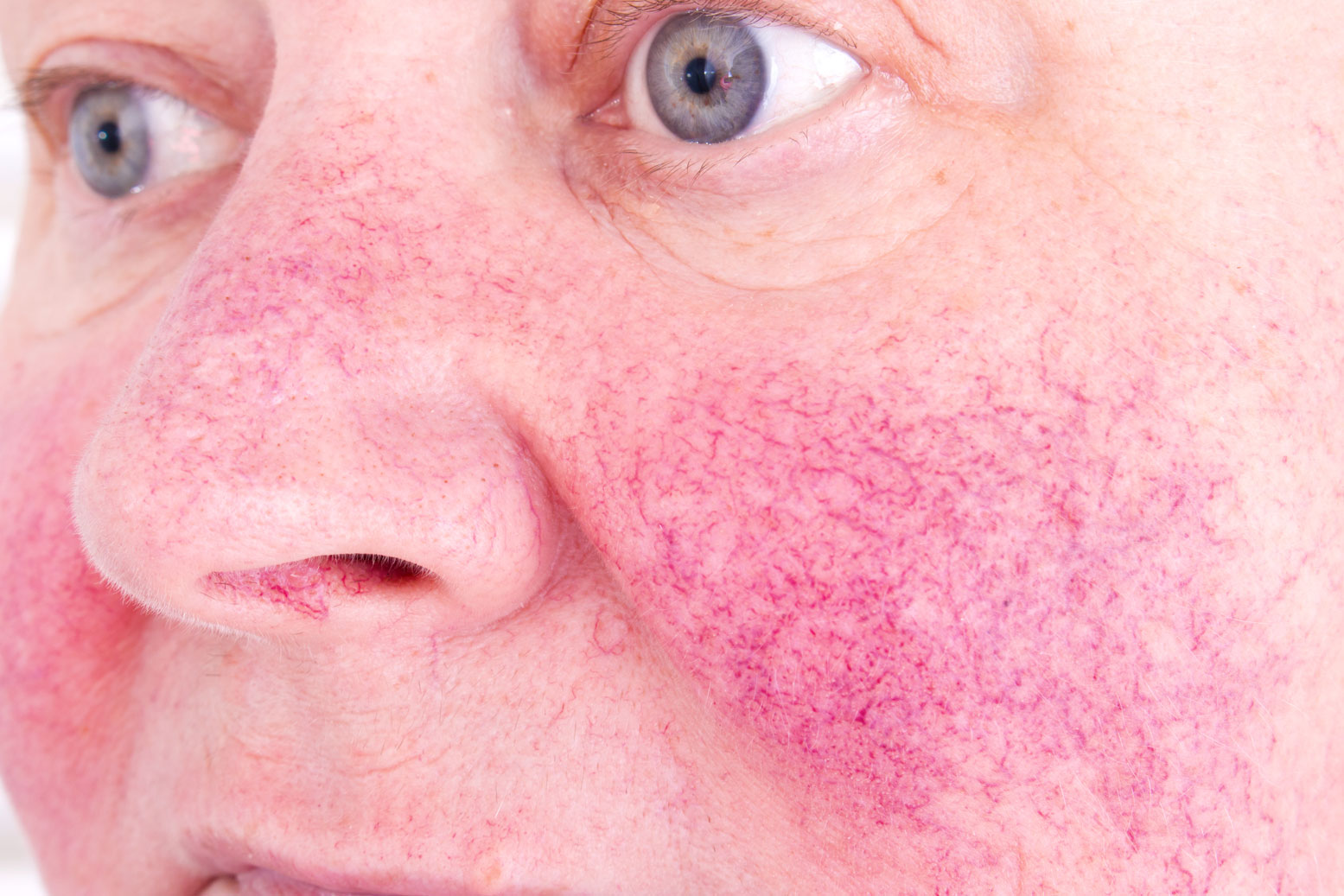
Persistent facial redness is the most common individual sign of rosacea, and may resemble a blush or sunburn that does not go away. Another key diagnostic sign is skin thickening and enlarging from excess tissue, most commonly on the nose.
Over time, facial redness caused by rosacea may become deeper in colour and more persistent. Visible blood vessels may also develop, and in some cases, untreated rosacea can contribute to inflammatory bumps or pimple-like lesions.
Common Signs of Rosacea
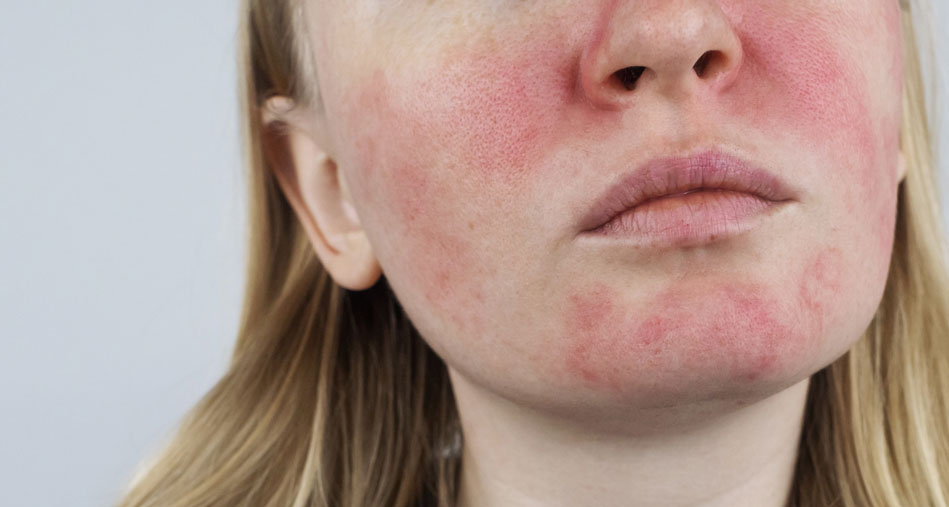
Rosacea can present differently depending on individual skin type and history. Common concerns include:
Flushing & Blushing
Pimples
Eye Irritation
Bumps
Visible Blood Vessels
Burning or Stinging
These concerns most frequently appear on the centre of the face.