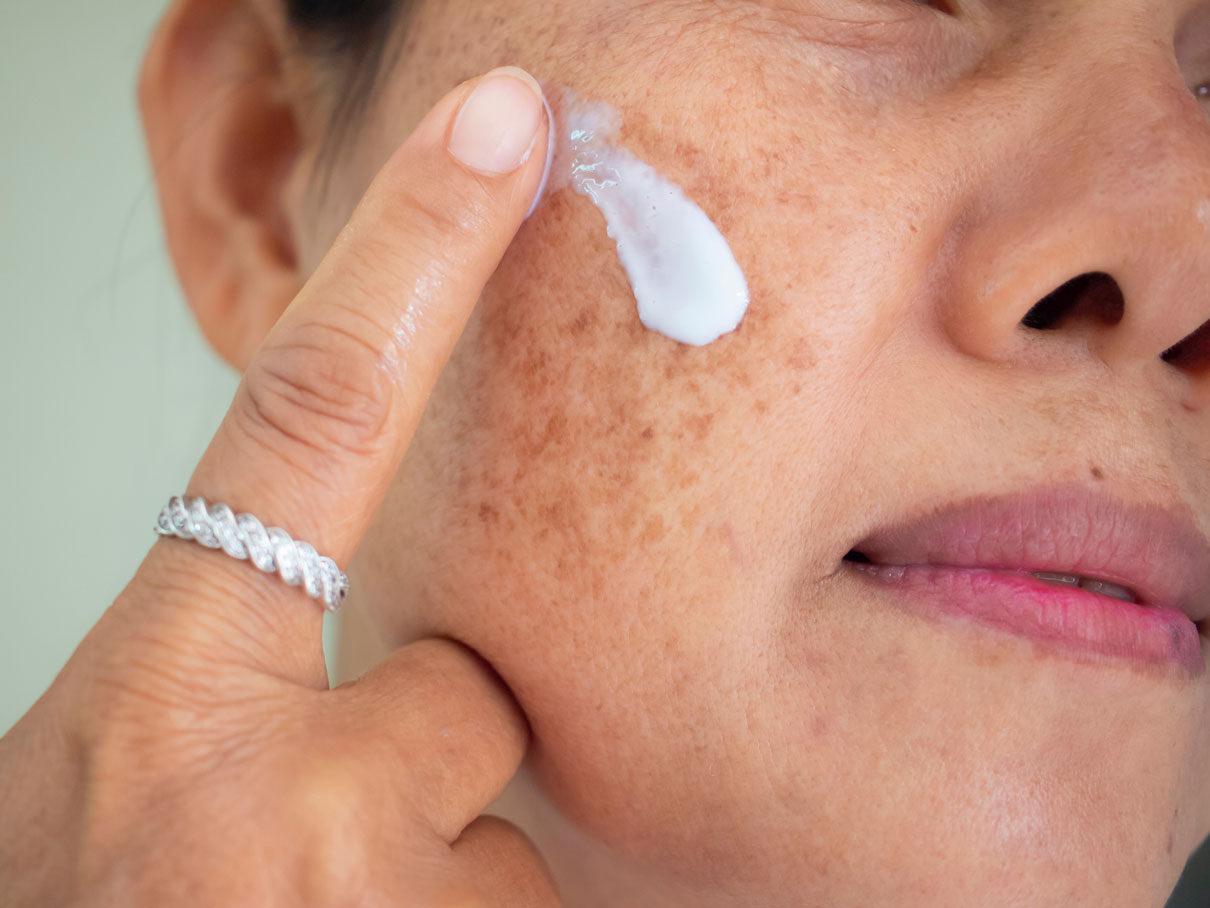
Pigmentation Treatments
Pigmentation refers to the colouring of the skin, which is determined by melanin produced by specialised cells called melanocytes.
Changes in pigmentation can occur when melanin production becomes uneven or more concentrated in certain areas. This may result in patches or areas of skin appearing darker than the surrounding skin. These changes can develop gradually or appear following specific triggers, depending on individual skin characteristics.

Common Signs to Be Aware Of
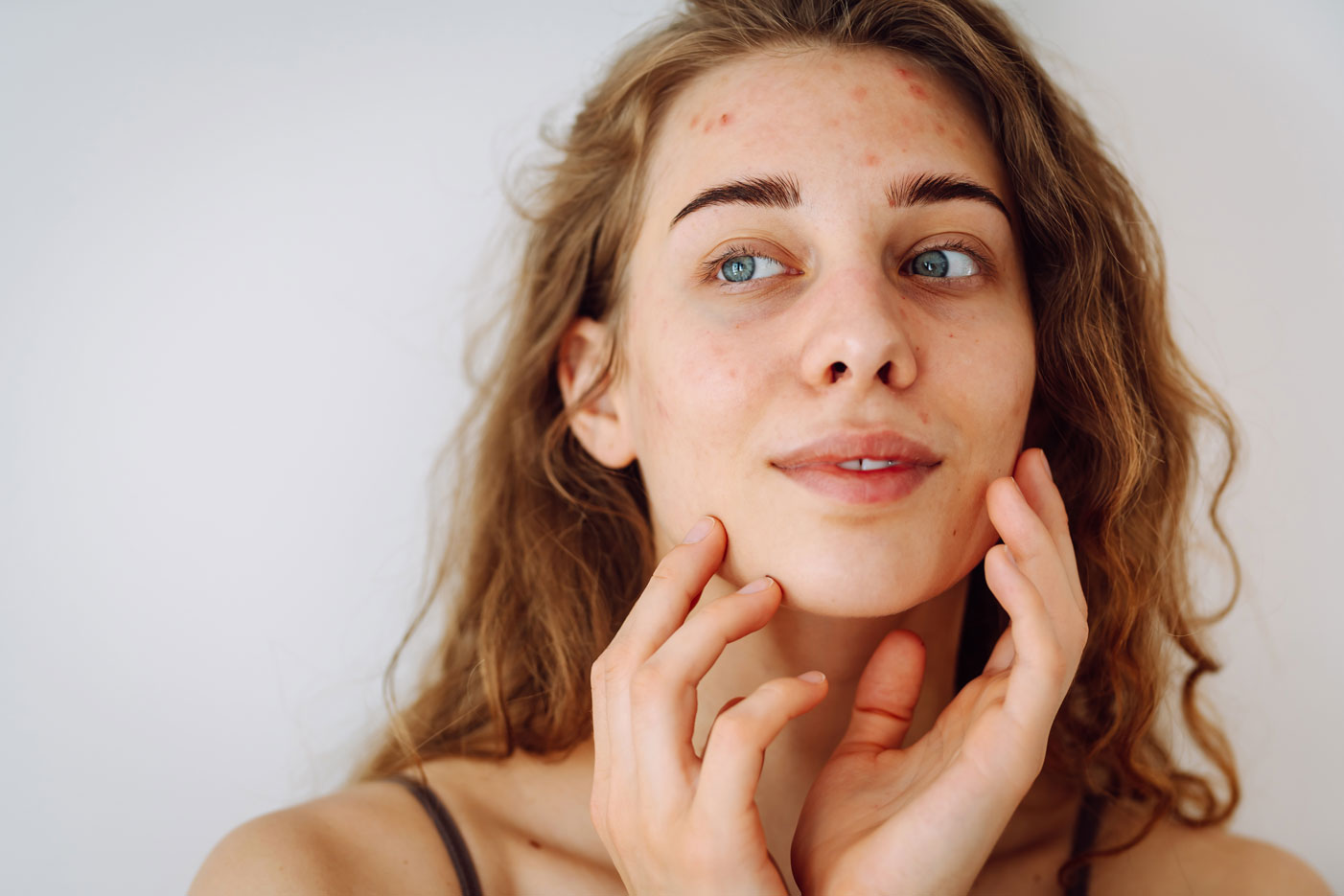
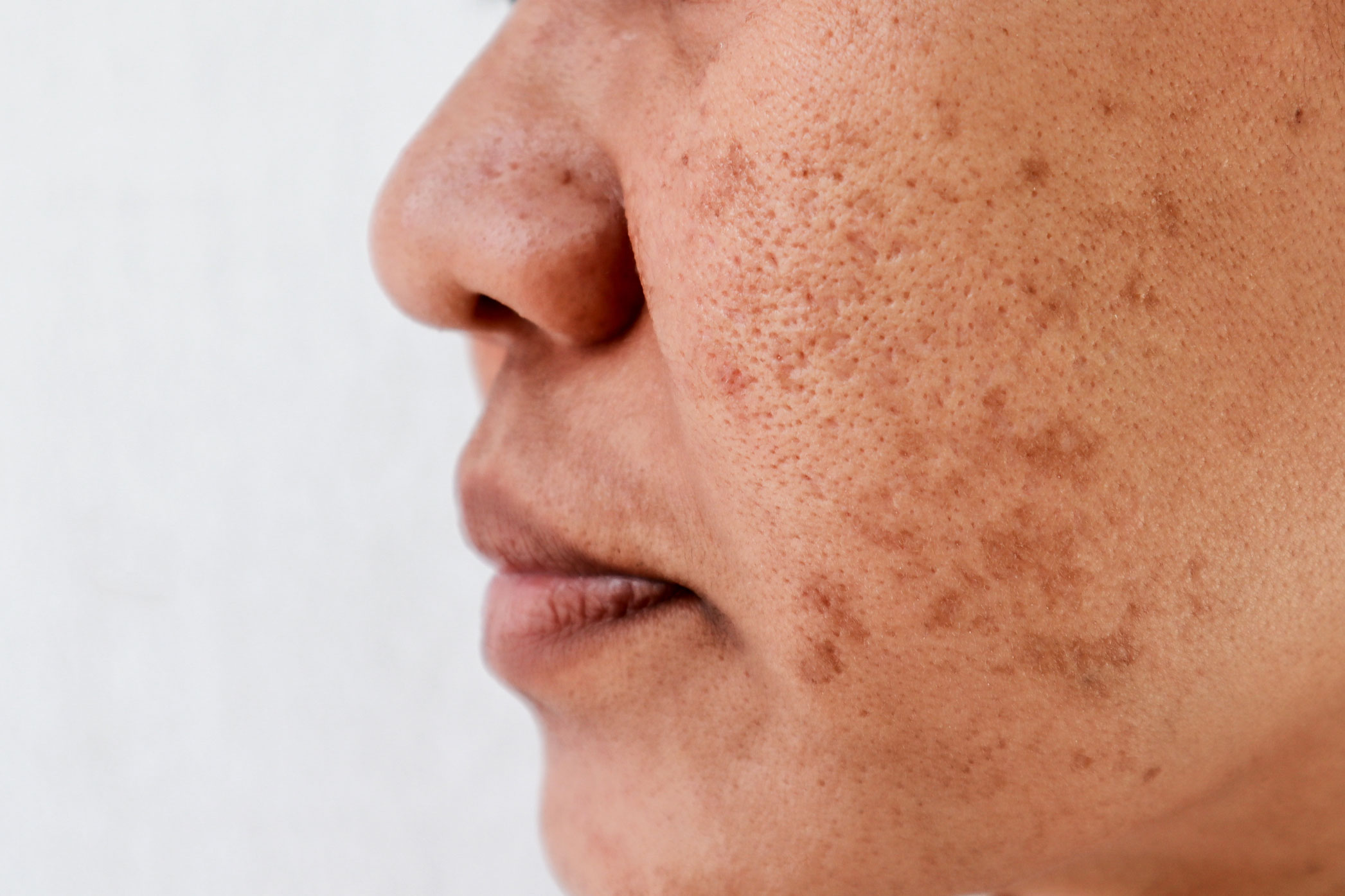
Pigmentation can present in a number of ways depending on the individual. Common symptoms include:
Areas of darker skin compared to surrounding tissue
Patchy or uneven skin tone
Symmetrical areas of discolouration, particularly on the face
Pigmentation that develops following acne or skin irritation
Changes in skin tone that persist over time
These features may occur on the face, neck, décolletage or other areas of the body.